
Vancouver Roof Pros: Roof Replacement, Leak Repair and Moss Damage Across Clark County, WA
Expert residential and commercial roofing services for Vancouver, Washington and Clark County. Free slope-by-slope inspection and a written estimate the same week.
- ✓Registered Washington contractor with L&I
- ✓Free slope-by-slope roof inspection
- ✓Written workmanship warranty on our labor
- ✓Dated photo report with every estimate
Why Vancouver Chooses Vancouver Roof Pros
- ✓We grade the north and south exposures as two separate roofs and price them separately
- ✓We quote single-slope tear-offs, which most roofing companies in Clark County will not
- ✓We will not write a replacement estimate for a roof that is only stained
- ✓We refuse retrofit zinc strips and shingle coatings that hide moss damage instead of fixing it
- ✓Every estimate arrives with dated photographs located on a slope diagram
- ✓We tell you before you file whether we think an insurance claim will be denied
How It Works
Free Inspection, Shaded Slopes First
We walk every slope we can stand on safely and use a pole camera for the rest, lift butt edges by hand on the shaded exposures to check the sealant bond, and open the attic where there is access. You get dated photographs with each one located on a slope diagram.
An Estimate That Separates the Slopes
Each exposure gets its own condition grade, its own estimated remaining life and its own line on the estimate. If the south slope has eight years left, that is on the page in writing, and you can decide whether to replace half the roof now and the rest later.
Tear-Off, Deck Repair, Dry-In the Same Day
Nothing is opened up that we cannot dry in before the crew leaves. Sheathing gets checked sheet by sheet, soft decking is replaced and re-nailed with ring-shank fasteners, and self-adhered membrane goes down at the eaves before any shingle does.
Final Walk, Gutters Cleared, Photos Filed
We magnet-sweep the whole property, clear gutters and valleys of tear-off debris and needle litter, then walk the roof with you or send a full photo set slope by slope. Warranty paperwork and manufacturer registration follow within the week.
Our Roofing Services in Vancouver, WA
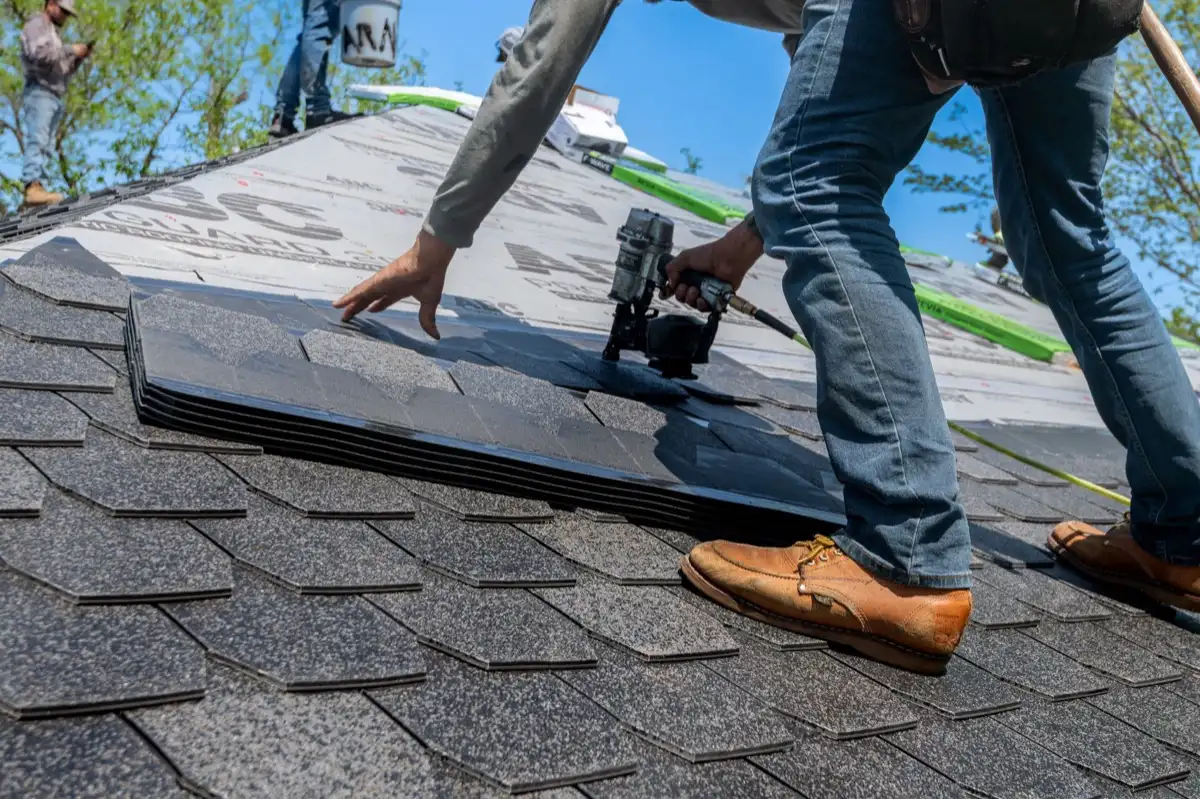
Roof Replacement
Replacement is the right call when the shingle mat itself is spent, not when one slope happens to look bad. We tear off to the deck, check every sheet of sheathing for soft spots, and rebuild the eave detail that let water sit there in the first place.
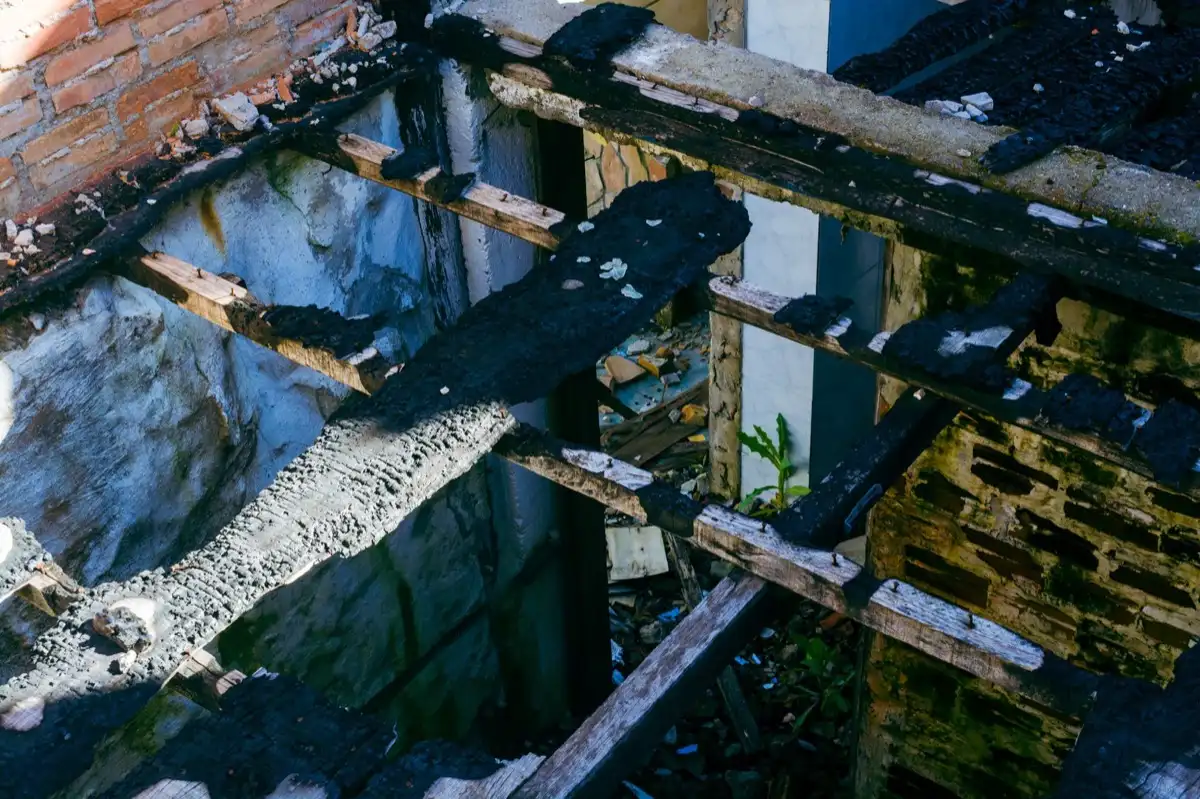
Roof Leak Repair
A leak in this climate almost never comes from a hole. It comes from water traveling sideways under a course that something lifted, running along an underlayment lap, and then appearing on a ceiling a long way from where it got in.
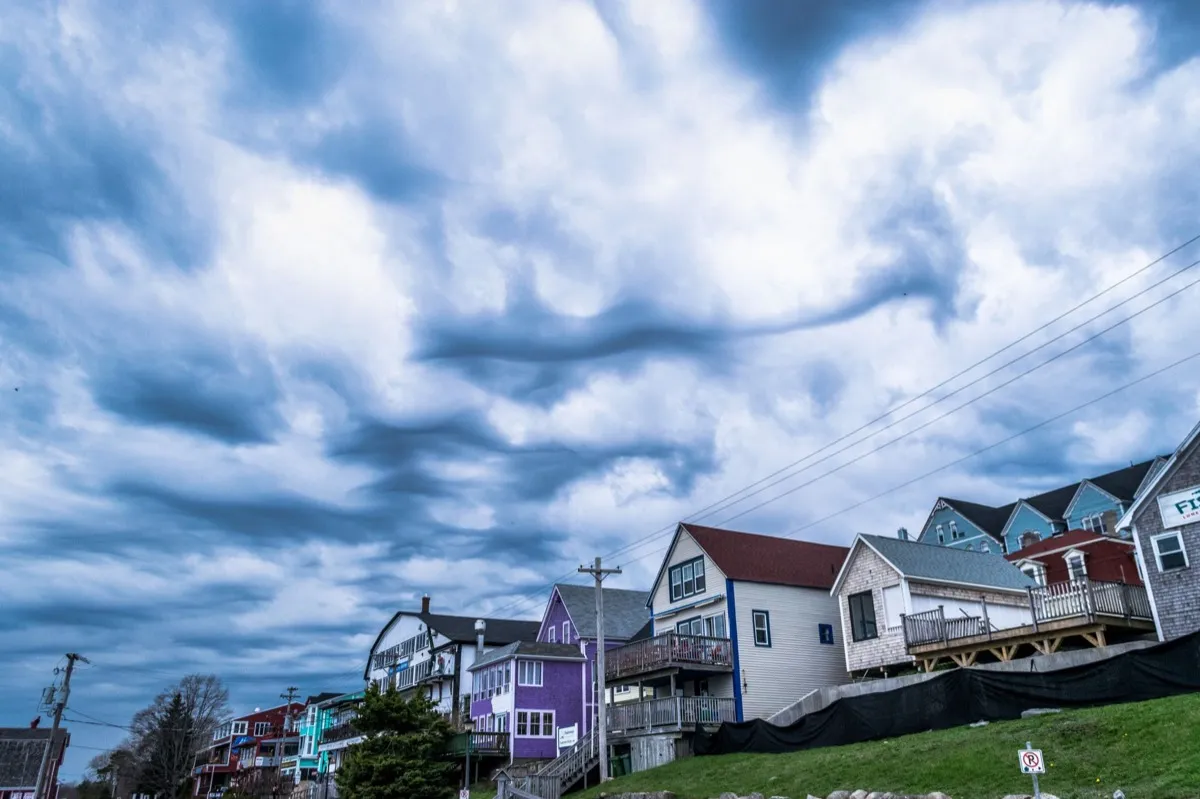
Storm Damage Restoration
Storm season here runs from October through March and it does not look like storm season anywhere else. There is no hail barrage and no tornado.
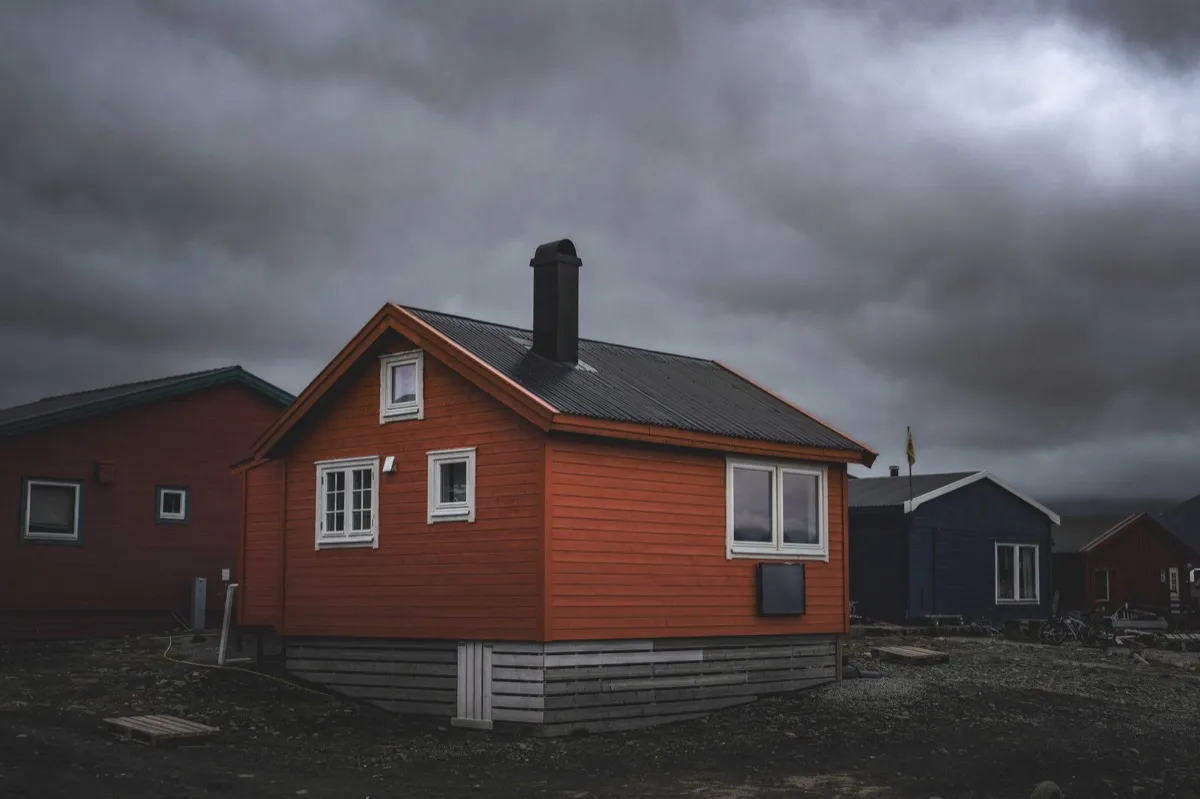
Hail Damage Roof Repair
We will start with the part nobody selling hail work says out loud. Southwest Washington is not a hail market.
Wind Damage Roof Repair
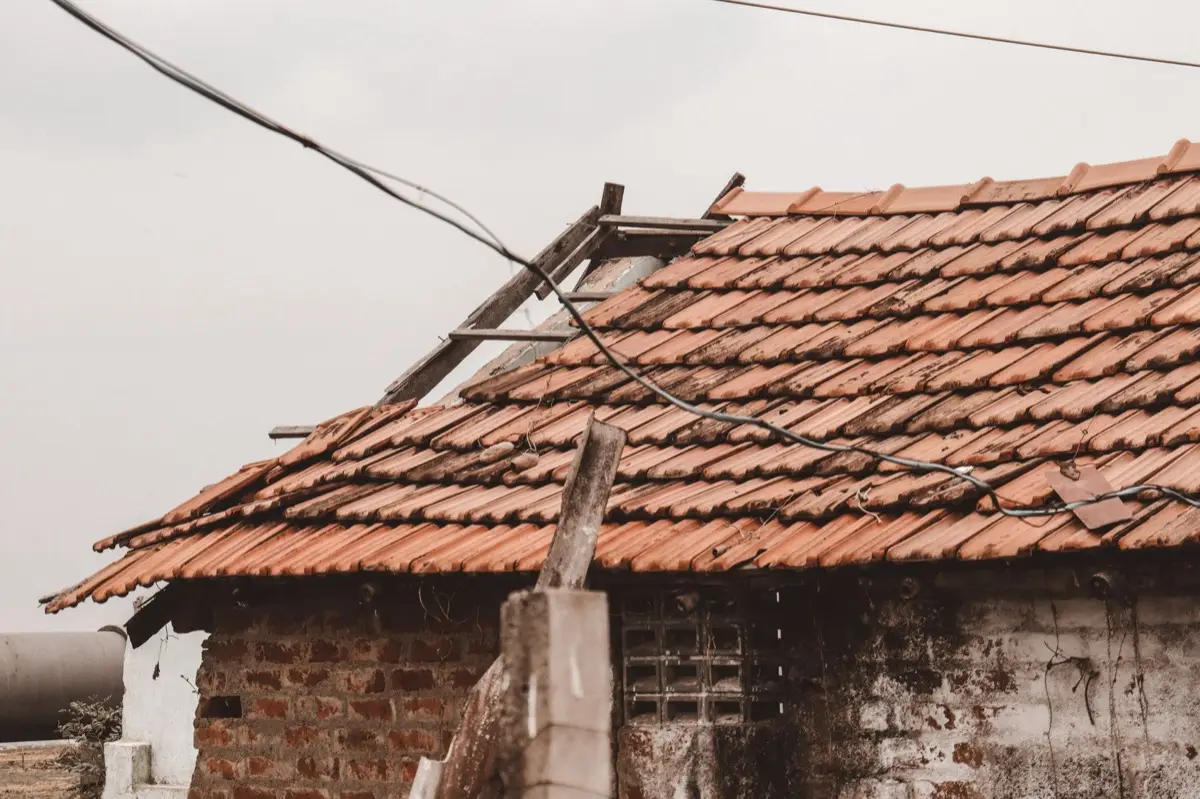
Wind does not tear a sound roof apart. It finds the courses that were already unsealed and works on those, which is why two houses on the same street can take the same gust and only one of them loses shingles off it.
Roof Inspections
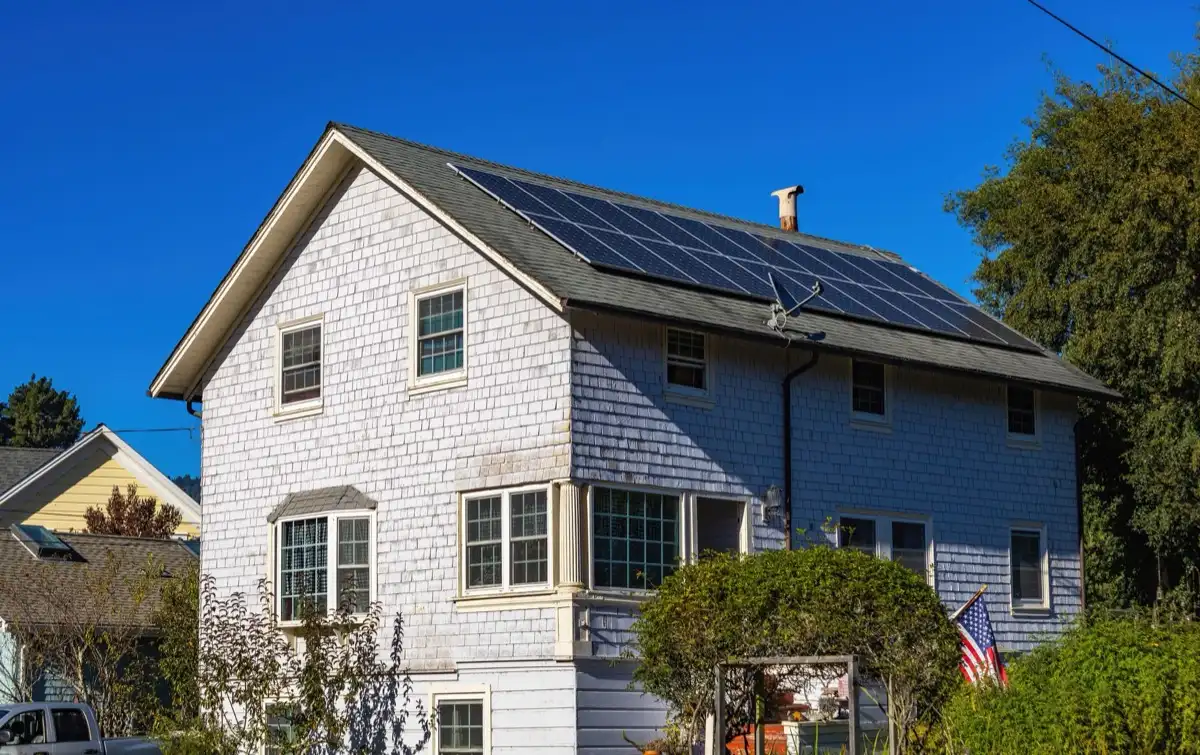
Our inspection grades each slope on its own and gives you two numbers rather than one. A single condition rating for a whole roof is close to meaningless in this climate, because the exposures here fail on completely different schedules.
Asphalt Shingle Roofing
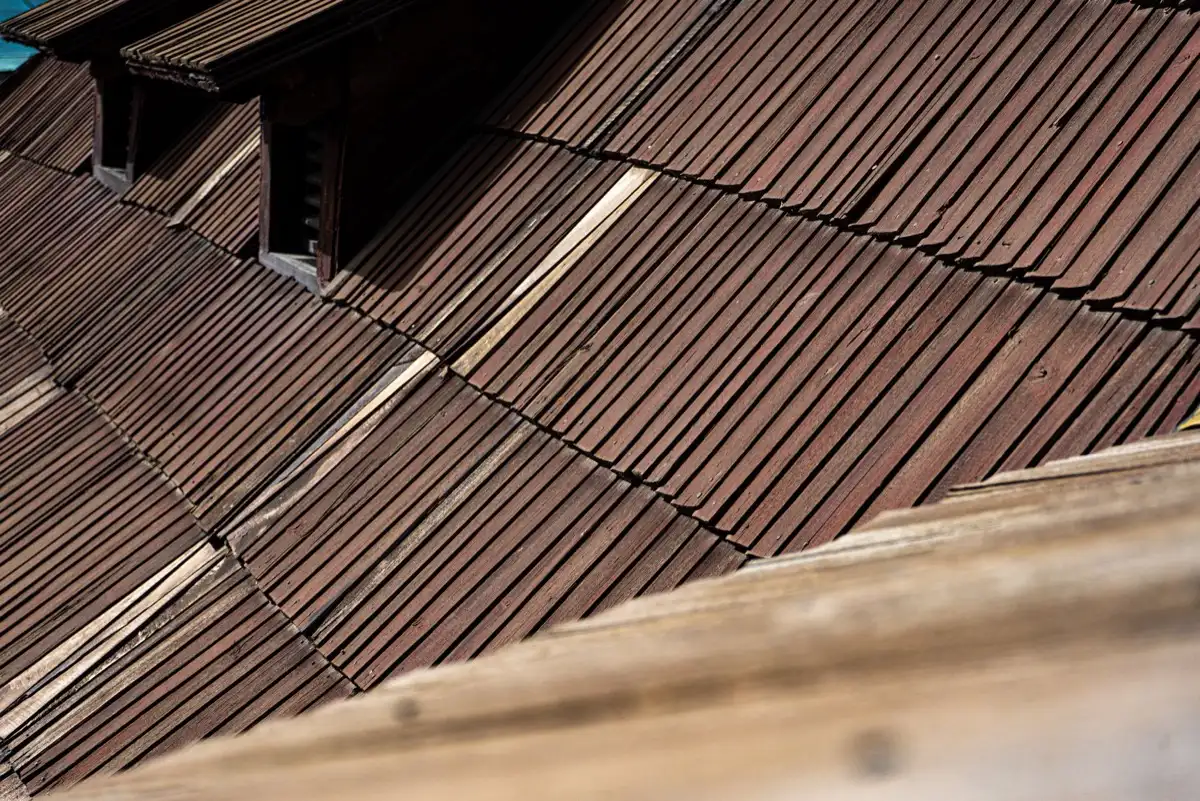
Almost every roof in Clark County is asphalt composition, and that is the right choice here. It handles a wet climate well, it is repairable course by course, and the failures it does have on shaded slopes are understood well enough to design around them.
Metal Roofing
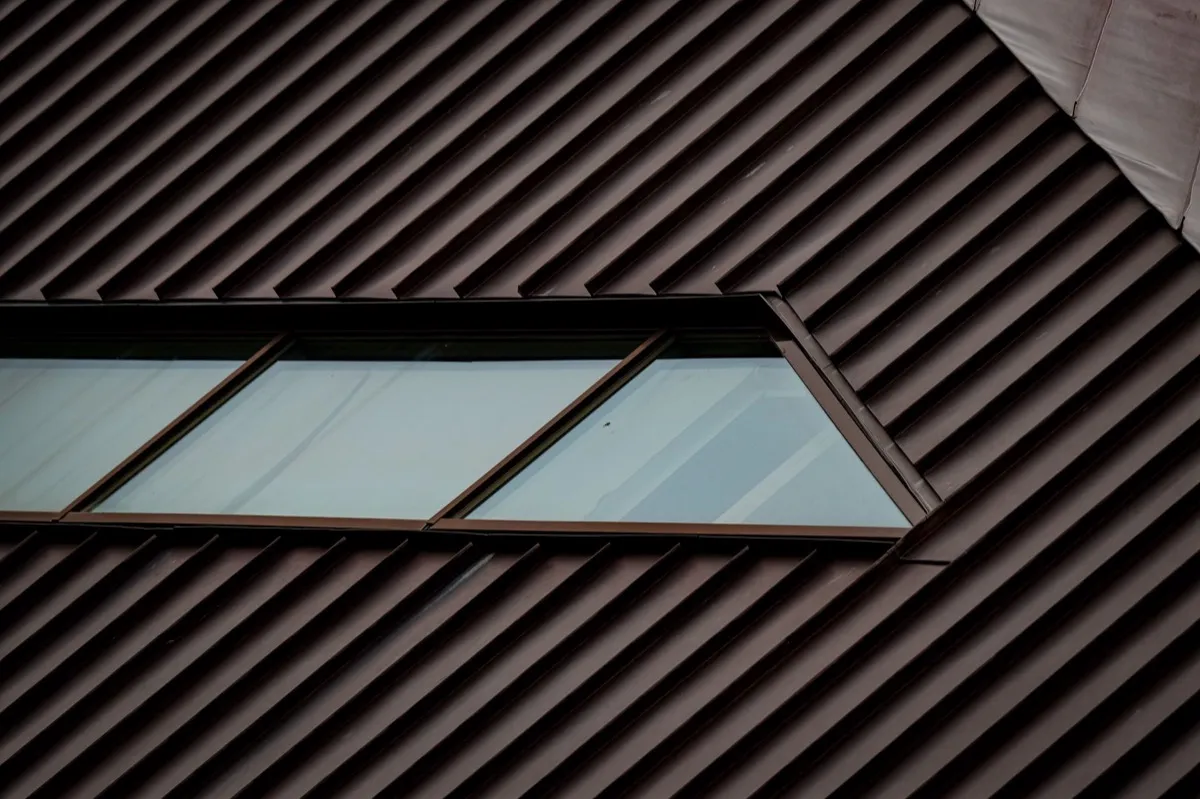
If there is one place the moss problem argues for spending more money, this is it. A standing seam panel has no butt edge, so there is nothing for moss to get underneath and wedge apart.
Tile Roofing
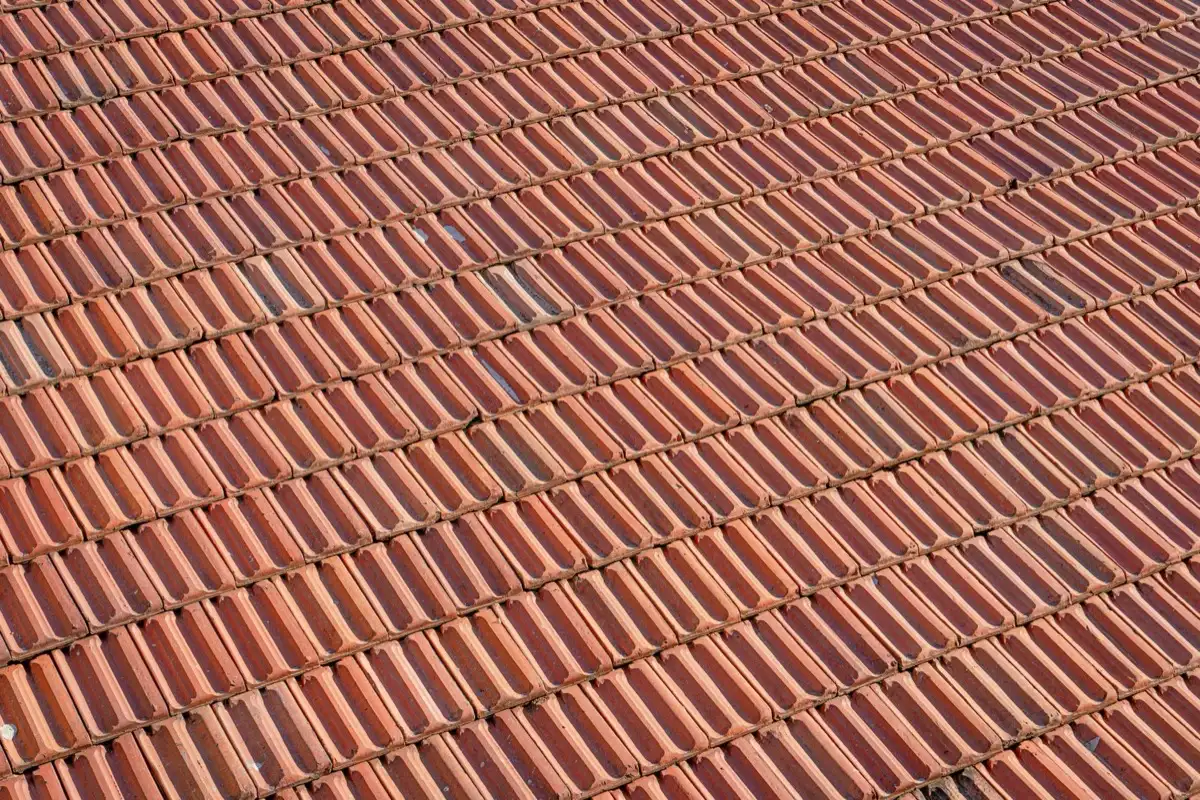
Concrete and clay tile exist around Clark County, mostly on houses built between the late 1980s and the mid 2000s, and we maintain a fair number of them. We are also going to be straight about where tile belongs in this climate and where it does not.
Flat and Low-Slope Roofing
Low-slope roofs behave differently enough here that the contrast is worth stating plainly. On a membrane, biological growth is a housekeeping problem.
Roof Coatings and Sealing
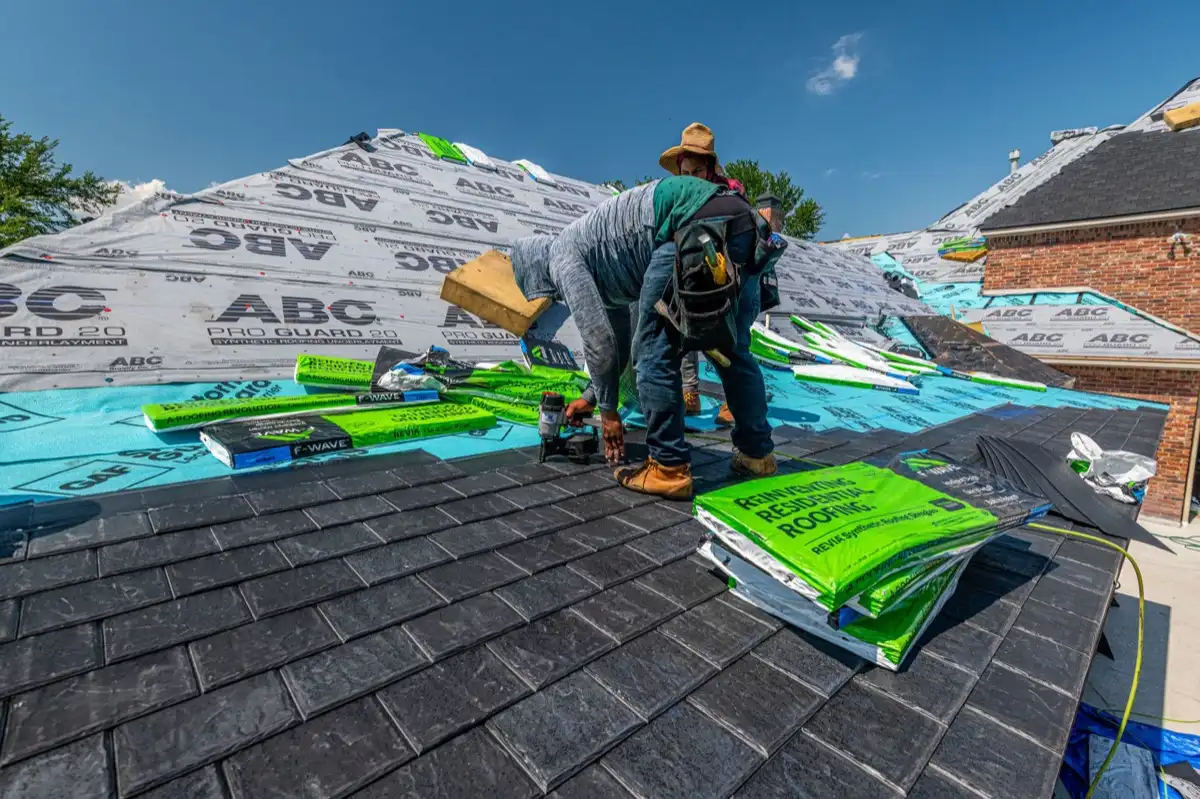
This is the page where we argue against two things people ask us for by name. Coatings have a real, narrow use on low-slope membrane and metal.
Roof Ventilation
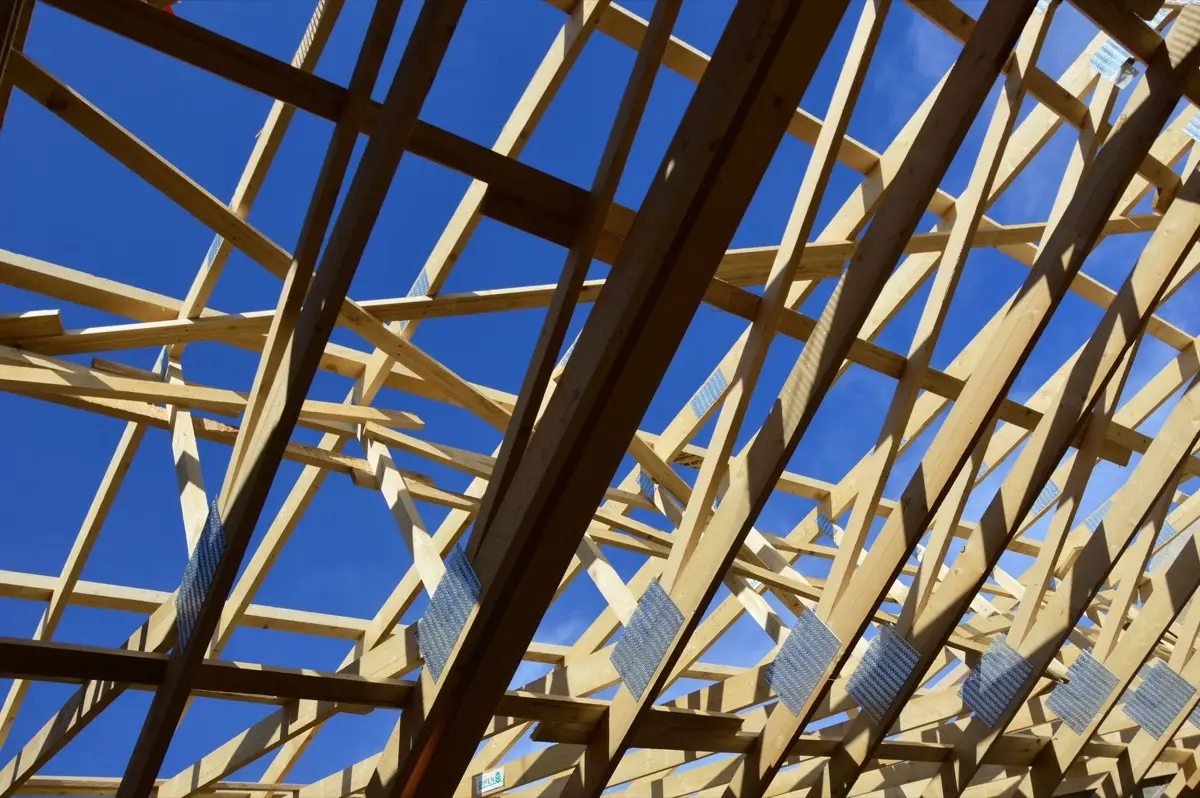
Ventilation gets sold as a moss cure and it is not one. Air moving through an attic does nothing to the top surface of a roof, which is where moss lives.
Skylights
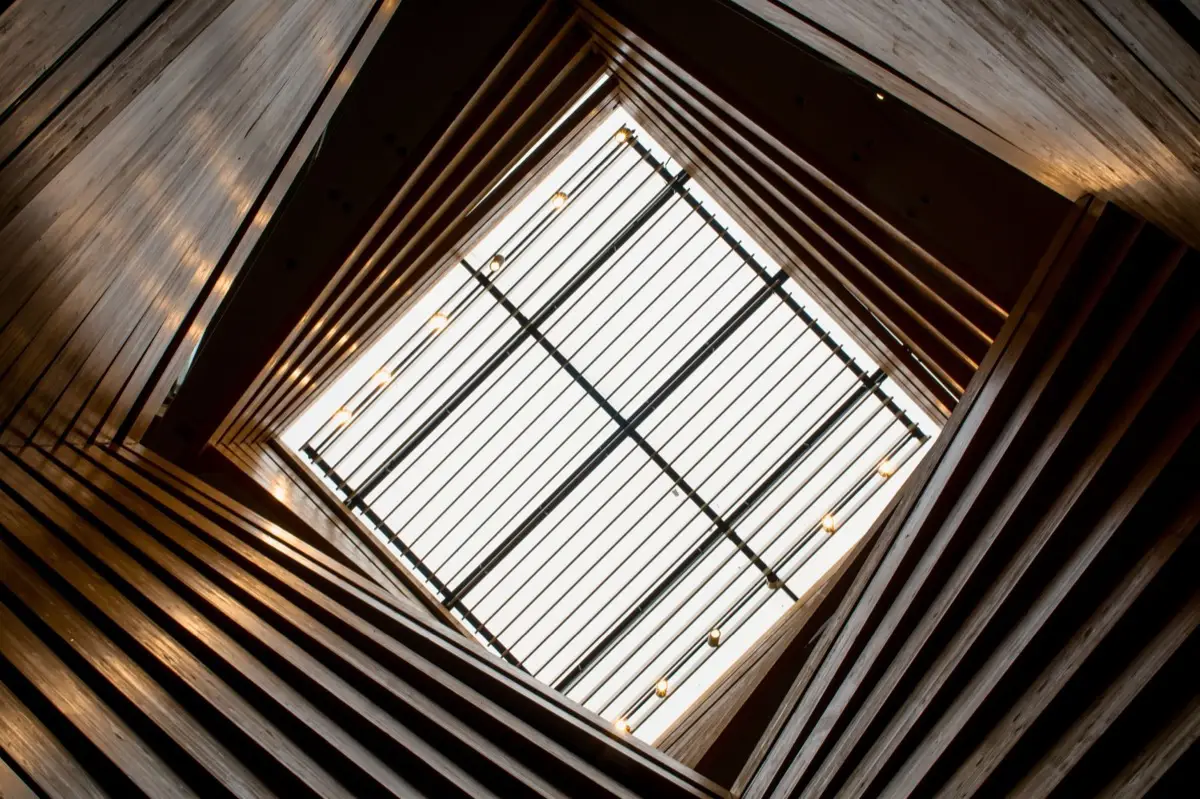
Skylights earn their place here more than in most of the country. Between November and February this latitude gets under nine hours of daylight, and much of it arrives through overcast, so a north-facing room can be dim at midday.
Fascia and Soffit
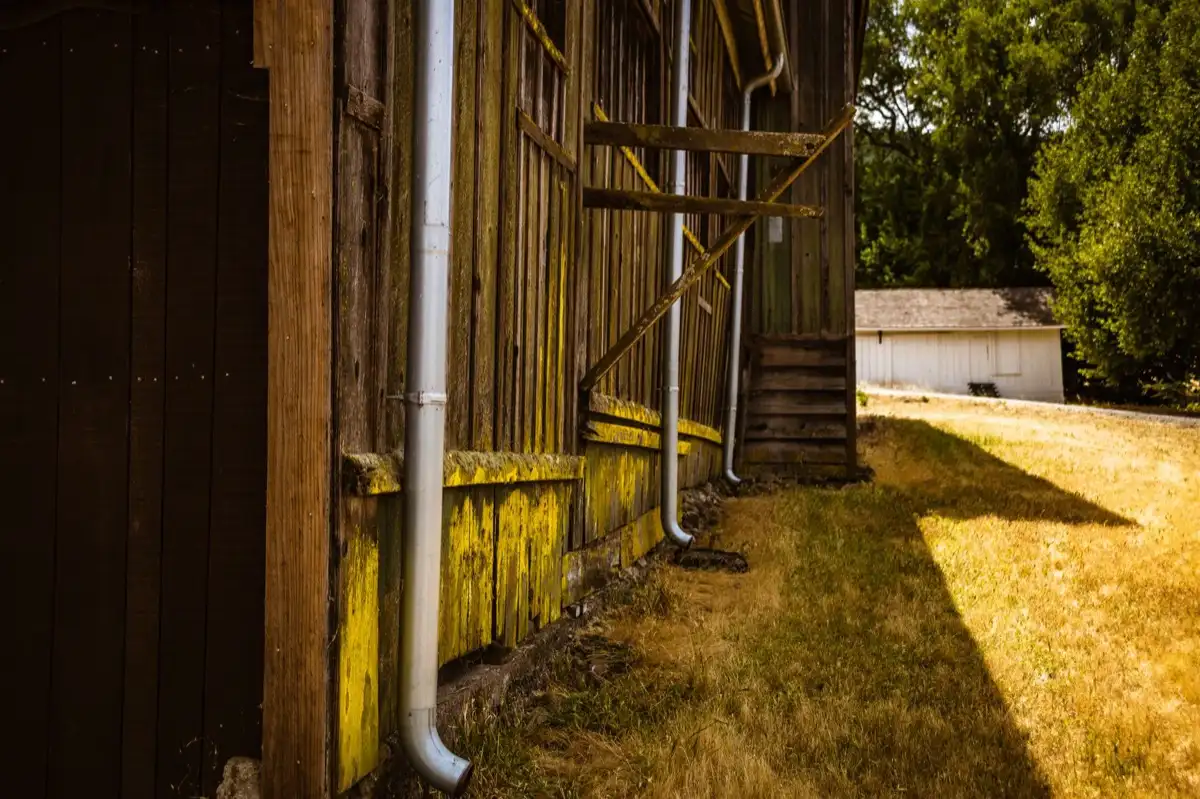
Fascia rot here is the visible end of a chain that starts up on the slope. Moss holds water at the butt edges of the last course, the drip edge is all that stands between it and end grain, and the board then goes from the back.
Chimney Flashing
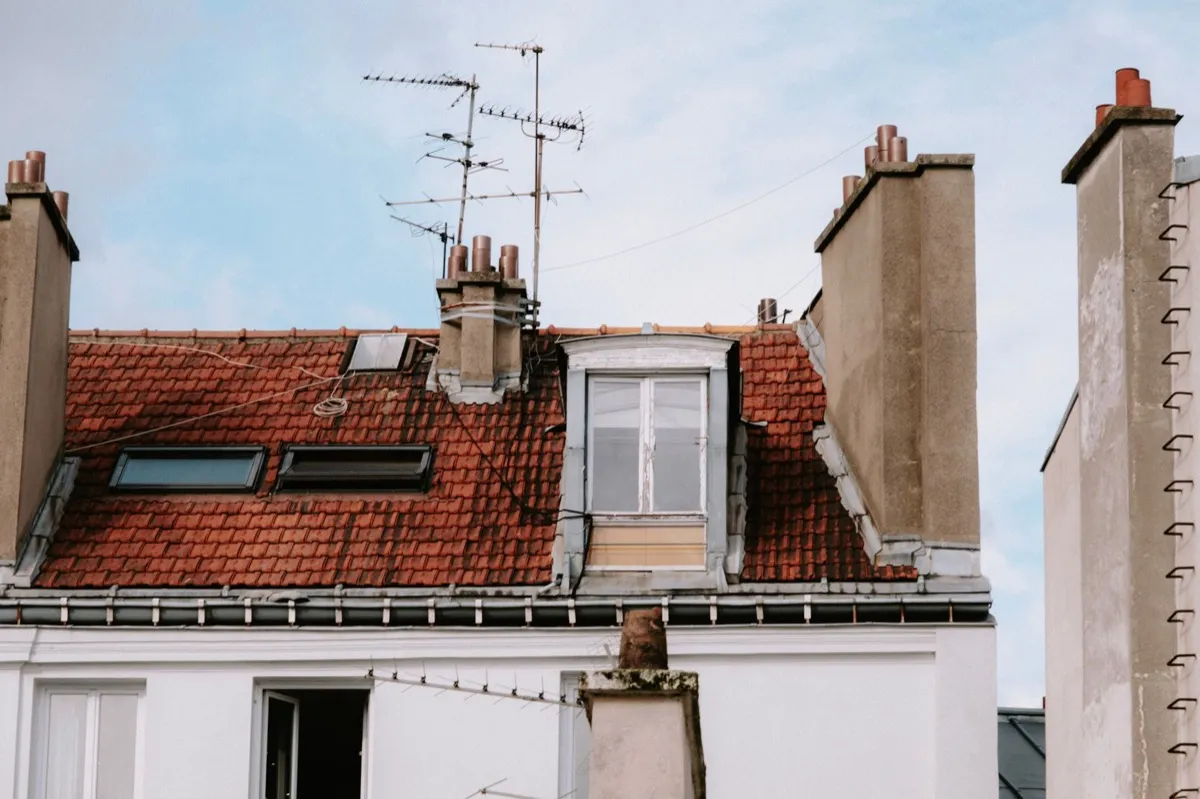
A chimney is a wall built up through a hole in the roof, which is a strange thing to ask a roof to accept, and it generates more leak calls than any other detail we work on. On a shaded slope it is worse, because it blocks everything coming down.
Commercial Roofing
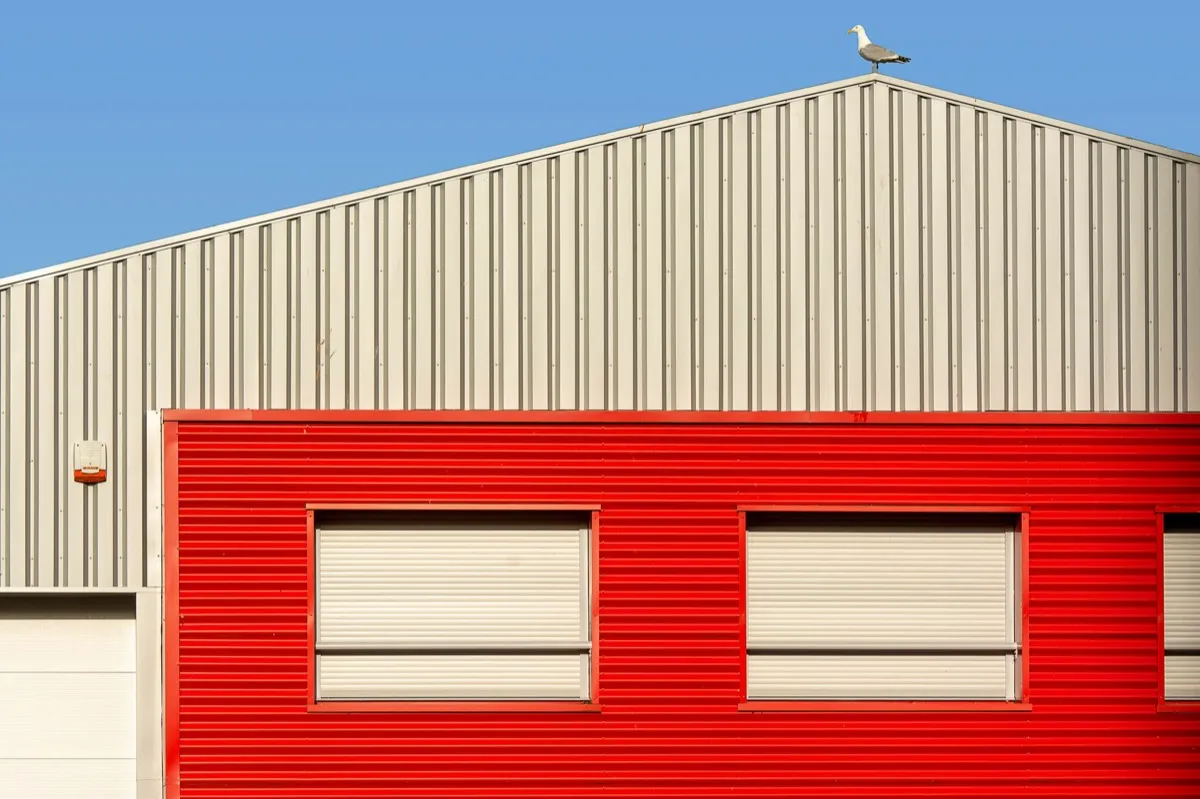
We work on light-industrial and retail buildings across Clark County, from warehouses near the Port of Vancouver to strip retail on the Fourth Plain and Mill Plain corridors. Most of it is low-slope membrane, and most of it fails at the drainage rather than in the field.
Insurance Claim Help
The most useful thing we can tell you about claims here is what will not be covered, and it is usually the thing people are calling about. Moss damage is maintenance.
What Vancouver Customers Say
Two other companies quoted a full tear-off. These guys got up there, showed me photos of both slopes, and said the south side had years left in it. They did the north slope only and it cost me about half. The color is slightly off if you stand in the street and look for it.
We had a leak showing up in the hallway ceiling nowhere near the chimney. They found it four courses uphill where moss had lifted a shingle and water was running sideways under the lap. Fixed in one visit and explained the whole thing with photos.
I asked them to install zinc strips and they talked me out of it, then told me why, then sent me the two sources they were quoting. Ended up spending less on a moss treatment and getting the fir limbs cut back. Roof has stayed clear two winters now.
Lost about fifteen shingles in an east wind night in January. They tarped it over the ridge the same evening, came back the following week, and matched the profile so well I cannot find the repair. Straight with me about what insurance would and would not cover.
Vancouver Roof Pros is a roofing contractor in Vancouver, Washington, handling roof replacement, leak repair, storm damage and moss-damaged shingles for homes and businesses across Clark County. We work in architectural laminate shingle, standing seam metal, cedar shake conversions and low-slope TPO membrane, and we grade every slope on its own condition before we put a number on it.
Most of the roofs we replace in Southwest Washington did not fail from age. They failed on one shaded slope, where moss got under the butt edge of the shingle, lifted it off the course below and held water against the mat until the sealant strip let go. That is a mechanical failure rather than a cosmetic one, and it is why we inspect the north and south exposures of a roof as two separate roofs.
We quote what the roof needs. Sometimes that is a single-slope tear-off instead of a whole roof, sometimes a fatty-acid moss treatment and a tree crew instead of shingles, and sometimes a flat no on a coating that would seal the damage in. Registered with Washington L&I and insured, with a written workmanship warranty on everything we install.
About Vancouver Roof Pros in Vancouver, WA
Vancouver Roof Pros works across Clark County and into Cowlitz and Skamania, on residential shingle and metal roofs and on low-slope commercial membrane. We are registered with Washington L&I under a registration number you can check on the state's public lookup, we carry liability coverage on every job, and we back our own labor with a written workmanship warranty.
The way we look at a roof came out of doing this in a climate where the two sides of a house age at different rates. A slope that gets sun reaches its rated life. A slope shaded by Douglas fir stays damp, grows moss under the shingle edges, and comes apart mechanically years early. Grading a whole roof with one number hides that, so we do not do it.
Do not hire us if you want a roof replaced because it is streaked and the neighbors have had theirs done. Dark staining is a surface organizm with no evidence that it shortens shingle life, and we are not going to write a replacement estimate for it. We will tell you that on the phone before we send anyone out, and you are free to call somebody else.
Recent Projects Across Clark County
Service Areas
Vancouver Roof Pros serves Vancouver, WA and surrounding communities including:
Commercial and Light-Industrial Roofing in Clark County
We maintain and replace low-slope membrane on warehouses, retail strips and tenant-improvement projects from the Port of Vancouver east to Camas and north to Ridgefield.
On a commercial deck in this county the failure point is drainage rather than the membrane field: fir needle litter and washed-down growth pack into strainers and scuppers, and standing water over a bay is a structural load question before it is a roofing one.
We work phased and dry in daily so nothing is open overnight, and we document every job well enough that your insurer, your landlord and the manufacturer all get what they ask for.
- ✓60 and 80-mil mechanically attached TPO over high-density cover board
- ✓Adhered EPDM on decks with heavy penetration counts
- ✓Two-ply modified bitumen where there is regular foot traffic to equipment
- ✓Tapered polyiso to a quarter-inch-per-foot fall, with crickets behind every curb
- ✓Drains reset at the true low point, overflow scuppers set two inches above primary
- ✓ANSI/SPRI ES-1 tested perimeter edge metal on every job
- ✓Twice-yearly drainage and seam maintenance with a written log
- ✓Phased tear-off by bay, dried in before the crew leaves each day
Frequently Asked Questions
Is moss on my roof actually damaging it, or does it just look bad?
It is doing real damage, and this is worth separating from the dark streaking people also call roof algae. Moss anchors with rhizoids in the granule surface and creeps under the leading edge of the shingle, and as the cushion thickens it wedges that shingle up off the one below.
The Asphalt Roofing Manufacturers Association is explicit that this lifting and curling increases the risk of blow-off in a wind event, and that in serious cases it moves water sideways into the deck. That is mechanical, and it is not the same thing as a stain.
Do I need a whole new roof if only the north slope has moss damage?
Often not. In Clark County it is normal for a north slope to be finished eight or ten years before the south slope, because it never dries properly and the south one does. If the sunny exposures still hold sealant bond and full granule cover, we will quote a single-slope tear-off. The color will not match exactly. It is still usually the right call, and most roofing companies will not offer it.
Should I have zinc strips installed on my existing roof?
We advise against it. The Asphalt Roofing Manufacturers Association warns that retrofitting strips to a finished roof means either exposed fasteners, which leak, or breaking the sealant bond to slide the strip under, which invites wind damage. Oregon State University Extension goes further and says the strips are not effective at eliminating moss, and notes zinc and copper are harmful to fish. Clark County runoff reaches salmon-bearing water. Zinc at replacement, or not at all.
When is the best time of year to have moss removed here?
Late summer, and the reason catches people out. By August the moss on a Clark County roof has gone brown and crisp and looks dead, so nobody thinks about it. It is dormant rather than dead, and it is at its lightest and easiest to lift off the shingle without taking granules with it. Treat and remove in August or September and you go into the wet season with clear slopes.
Will my homeowners insurance pay for moss damage?
No. Moss damage develops over several wet seasons, which makes it gradual deterioration, and that is excluded in every homeowners policy we have read. Wind blow-off is a covered peril and is a legitimate claim, but if the adjuster finds a moss cushion under the courses beside the blown-off area, the finding will be pre-existing wear. Keeping the shaded slopes clear is what protects the claim you might actually need.
Does a roofer in Washington have to be registered and bonded?
Yes. Washington does not license contractors the way some states do; it registers them through the Department of Labor and Industries, and roofing is one of the specialties that requires registration. Registration requires a surety bond, currently thirty thousand dollars for a general contractor and fifteen thousand for a specialty contractor, plus liability insurance.
That bond is shared among every claimant against the contractor and is not sized to your project, so treat it as a last resort rather than as cover for your job. You can check any contractor registration number on the L&I website before you sign anything, and it is worth doing.